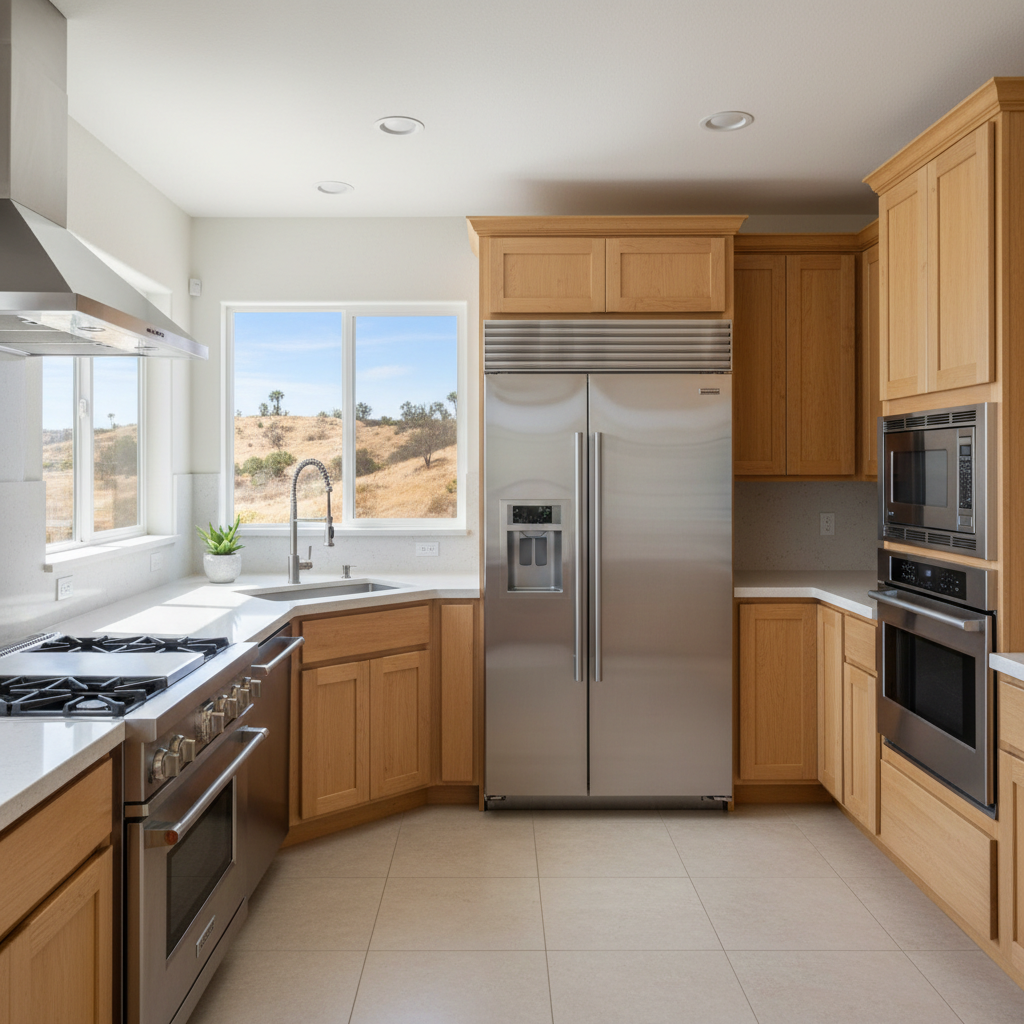
So, you're finally getting around to upgrading those kitchen appliances, huh? Maybe that old fridge is sputtering its last breath, or you're just plain fed up with your stovetop's hot spots. Good for you! New appliances can totally change how you use your kitchen, but getting them installed isn't always as simple as just plugging them in. As a contractor who's seen it all here in Chula Vista, I can tell you that a little planning goes a really long way. You definitely don't want surprises, especially when it comes to something as central as your kitchen.
Your Appliance Installation Timeline: What to Expect
Let's talk about the clock. How long does this whole thing actually take? Well, it depends on what you're getting and how much work needs to happen before the new stuff even goes in. It's not just about the day of installation, you know?
- Shopping & Ordering (2-8 weeks, or even more): This is where it all kicks off. You'll spend time digging into models, checking reviews, and visiting showrooms. Once you make up your mind, ordering can take a while, especially for popular or custom-panel appliances. Supply chain hiccups are still a thing, so don't expect everything to show up tomorrow.
- Pre-Installation Prep (1-3 weeks): People often forget about this part. Do you need a new electrical outlet? A gas line moved? What about cabinet modifications to fit a bigger fridge or a built-in microwave? This work has to happen *before* the new appliance even arrives. It's usually a separate job from the actual appliance installation itself.
- Delivery & Installation Day (1 day): This is the big one. Most standard appliance installations (like swapping out a dishwasher or a slide-in range) can be done in just a few hours. If you're doing a bunch of appliances or something more complex, though—think a built-in refrigerator or a range hood that needs new ductwork—it could easily take a full day, maybe even two.
- Post-Installation Checks (Ongoing): Once everything's in place, you'll want to test it all out. Run a cycle on the dishwasher, bake something in the oven, make sure the fridge is actually cooling. If you spot any issues, get in touch with your installer or the appliance dealer right away.
Seriously, don't rush it. Trying to cram everything into a single weekend usually just leads to headaches. Give yourself some breathing room.
What Happens During the Process?
Okay, so you've got your appliances ordered, and the installation is scheduled. What's it actually going to look like when the team shows up?
- The Old Stuff Comes Out: First, those old appliances need to be disconnected and removed. This can get dusty, especially if they've been sitting there for a while. Make sure you know who's responsible for hauling away the old units – sometimes the delivery team handles it, other times you'll need to arrange that separately.
- Site Prep: This is when any necessary modifications happen. Maybe a plumber needs to run a new water line for your ice maker, or an electrician has to upgrade an outlet. Sometimes, we'll even need to trim a cabinet opening to get that new, slightly wider oven to slide right in. This is exactly why good measurements upfront are so important.
- The New Stuff Goes In: This is the exciting bit. The installers will bring in your new appliances, carefully unbox them, and get them into position. They'll connect the utilities – water, gas, electricity – and make sure everything is level and secure.
- Testing: Any good installer will test everything before they pack up and leave. They'll run a quick cycle on the dishwasher to check for leaks, turn on the oven, and make sure the fridge is humming along nicely. Don't be shy about watching and asking questions.
- Cleanup: They should clean up any debris, packaging materials, and leave your kitchen tidy.
One thing I've definitely noticed here in Chula Vista, especially in some of the older homes in areas like Castle Park or Otay, is that the existing electrical or plumbing might not quite be up to snuff for modern appliances. Your new induction range might need a dedicated 240V circuit, or that fancy fridge might need a water line where there wasn't one before. It's always best to have someone check that stuff out ahead of time, believe me.
How to Get Your Home Ready for Installation Day
You can make the installation go a lot smoother by doing a little prep work yourself.
- Clear the Path: Make sure there's a clear, unobstructed path from your front door all the way to the kitchen. Move furniture, rugs, and anything else that might get in the way. Protect your floors if you're worried about scratches.
- Empty Cabinets: If appliances are going into or near cabinets (like a dishwasher or a built-in microwave), empty those cabinets out. It just makes things easier for the installers and keeps your dishes safe.
- Clear Countertops: Remove everything from the countertops around the installation area. You'll want a clean workspace.
- Shut Off Utilities (if necessary): For gas ranges or dishwashers, you might need to know where your main water shut-off or gas shut-off valves are. The installers will handle the actual disconnection, but it's good to be aware.
- Be Available: Plan to be home during the installation. You'll need to answer questions, approve decisions, and sign off on the work.
Questions to Ask Before Signing a Contract
This is huge. Don't just sign on the dotted line without truly understanding what you're getting into. If you're working with Heritage Kitchen Solutions, we're totally transparent about all this, but not every company is. Here's what you really need to ask:
- What's included in the installation price? Does it cover removing and disposing of old appliances? What about any necessary modifications to cabinets, plumbing, or electrical? And connecting to existing lines?
- Who is actually doing the installation? Is it your in-house team, or are you bringing in a subcontractor? If it's a subcontractor, are they licensed and insured?
- What kind of warranty do you offer on the installation work? Not the appliance itself, but the labor. How long is it good for?
- What's your policy if there's damage to my home during installation? Accidents happen. You need to know they're covered.
- What are the payment terms? Do I pay everything upfront, or is there a deposit and then final payment once the job's done?
- Do you handle permits? For big electrical or gas line changes, permits might be required. Who's responsible for getting them?
- What's the estimated timeline for the entire project, from start to finish? Get it in writing.
- What happens if the appliance arrives damaged or is the wrong model? Who handles the return and reordering?
- Can you provide references from other appliance installation projects you've done? Always a good idea.
Getting new appliances should be exciting, not stressful. By planning ahead, asking the right questions, and knowing what to expect, you'll ensure a smooth installation and get to enjoy your upgraded kitchen sooner. If you're in Chula Vista and need a hand with the planning or the actual work, you know who to call.